
 See Our Latest Article on HelloNation
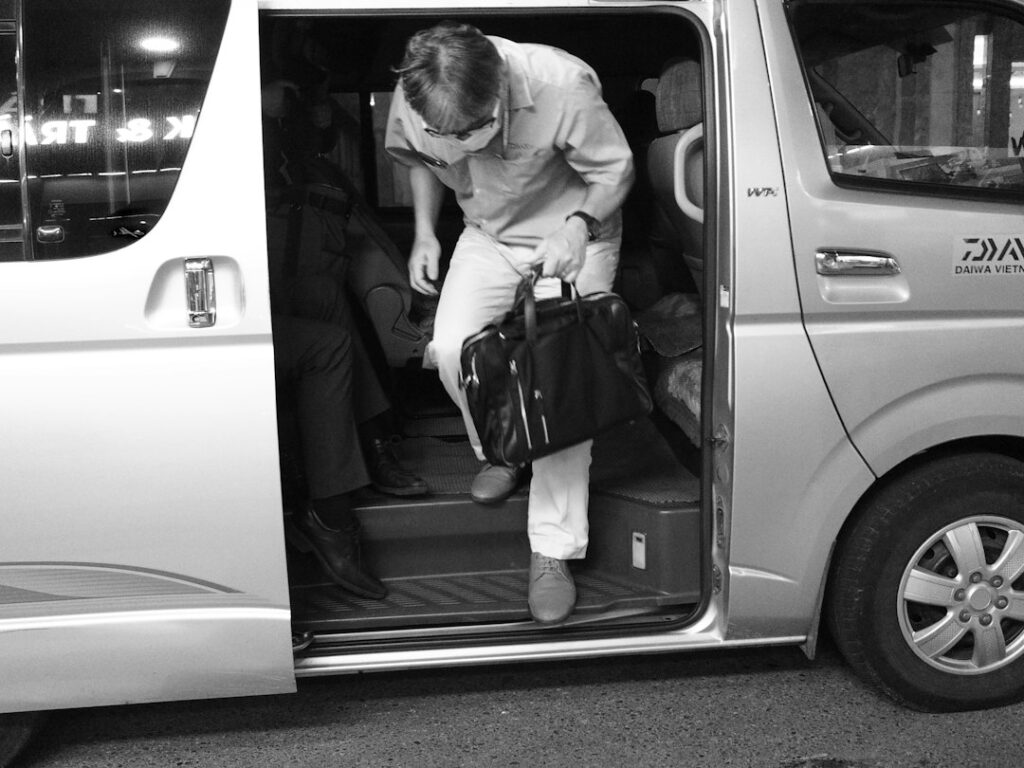
Long trips can make a healthy back feel stiff, sore, or unusually fatigued. The main causes are usually prolonged sitting, limited movement, awkward lifting, poor support, and trying to handle too much luggage at once.
For residents of Huntington, NY, travel may involve extended car rides, airport connections, train platforms, or seasonal trips during hot summers and colder winter weather. A few practical adjustments before and during the journey can reduce strain and help prevent lower back pain from taking over the trip.
Why does travel cause lower back pain?
Travel places the body in positions it may tolerate briefly but not for several hours. Sitting with the hips bent, the lower back unsupported, and the legs in one position can increase stiffness and muscle fatigue. Driving also adds vibration, repeated foot movements, and the tendency to lean toward the steering wheel.
Luggage creates a second challenge. Pain may begin when a suitcase is lifted from the floor, placed into an overhead compartment, pulled across uneven pavement, or carried up stairs. The risk rises when a bag is overpacked or lifted while the torso is twisted.
Even the schedule can contribute. Early departures, poor sleep, rushed transfers, and long periods of standing can leave the muscles less prepared to handle physical demands.
How should you prepare your back before leaving?
Preparation should focus on normal movement rather than an intense workout immediately before travel. The goal is to arrive at the departure point feeling loose and capable, not exhausted.
During the days before a trip:
- Take regular walks or perform gentle mobility exercises.
- Avoid suddenly increasing workouts, yardwork, or heavy lifting.
- Pack in stages instead of filling every bag at once.
- Place heavier items near the wheels or bottom of a suitcase.
- Keep frequently used items where they can be reached without deep bending.
- Check that shoes provide stable footing, especially during winter conditions.
A short walk, gentle hip movement, and easy trunk rotations may help reduce stiffness before entering a car or boarding a plane. Any movement that causes sharp, radiating, or worsening pain should be stopped.
What is the safest way to lift and carry luggage?
Use the legs and keep the bag close to the body. Do not bend from the waist and twist at the same time, which is a common way to strain the lower back.
To lift a suitcase:
1. Stand close to it with the feet positioned for balance.
2. Bend through the hips and knees while keeping the spine in a comfortable, neutral position.
3. Grip the handle firmly.
4. Lift smoothly without jerking.
5. Hold the suitcase close while turning with the feet rather than twisting the torso.
If a bag is too heavy to lift comfortably, divide the contents, ask for assistance where available, or use a smaller bag. Rolling luggage is often easier than carrying, but it should still be pulled with an upright posture. When possible, push the suitcase rather than dragging it behind the body, particularly across rough surfaces.
Backpacks should have two usable shoulder straps and be adjusted so the load sits close to the upper and middle back. A heavy bag hanging from one shoulder can create uneven strain.
How can drivers protect their lower backs?
A well-adjusted driving position reduces unnecessary reaching and slouching. The seat should allow the knees to remain slightly bent while the pedals are reached without stretching. The backrest should support the torso without forcing the driver to recline excessively.
A small rolled towel or cushion may help fill the natural space at the lower back if the seat does not provide enough support. It should feel supportive, not bulky or restrictive.
Before starting a long drive:
- Move the seat close enough to avoid leaning toward the wheel.
- Keep both hands and shoulders relaxed.
- Remove bulky items from the back pocket, which can tilt the pelvis while sitting.
- Adjust mirrors after sitting in a balanced position.
- Keep essential items within easy reach.
For longer trips, plan stops before discomfort becomes severe. Getting out every hour or so, walking briefly, and changing position can be more useful than remaining seated until the back begins to ache. During winter travel, allow extra time for safe stops rather than rushing through icy parking areas or carrying luggage over slippery ground.
What should passengers do on long rides or flights?

Passengers should change position regularly instead of trying to maintain one “perfect” posture for the entire journey. A comfortable posture is usually one that can be changed easily.
Keep both feet supported when possible, avoid prolonged twisting toward a window or aisle, and use a small cushion or folded garment behind the lower back if the seat leaves a gap. Reclining slightly may be more comfortable than sitting rigidly upright.
During permitted breaks:
- Stand and walk for a few minutes.
- Gently straighten the hips and knees.
- Move the ankles and shoulders.
- Shift positions rather than stretching forcefully.
- Avoid lifting bags immediately after being seated for several hours without first moving around.
For air travel, avoid rushing to lift a carry-on into an overhead compartment. Ask for help if the bag is high, heavy, or awkward. Luggage should not be lifted overhead while twisting or reaching far to one side.
Are travel pillows, braces, or back belts necessary?
Not necessarily. A travel pillow or lumbar cushion can be useful if it improves comfort and allows easier position changes, but no accessory can compensate for prolonged immobility or excessive luggage.
Rigid posture devices and back belts are often treated as preventive solutions, yet they may create a false sense of security. They should not be used to justify lifting more than the body can safely manage. Comfort, movement, and sensible packing generally matter more than specialized equipment.
Heat or cold may also provide temporary relief for some people, but these options do not address the cause of pain. Never sleep with a heating device applied directly to the skin.
What if lower back pain starts during the trip?
Mild stiffness often improves with gentle movement, a short walk, and a change in position. Avoid repeatedly testing the painful motion, stretching aggressively, or carrying heavy bags to “work through” the discomfort.
Pain that travels down a leg, causes new numbness or weakness, follows a fall, or becomes severe and persistent deserves medical attention. Urgent evaluation is especially important for new loss of bladder or bowel control, numbness around the groin area, fever with significant back pain, or pain accompanied by unexplained illness.
People with a history of recurring back problems may benefit from discussing travel demands with a qualified healthcare professional before departure, particularly if a long journey, recent injury, surgery, or significant nerve symptoms are involved. A chiropractor, physician, physical therapist, or other appropriate clinician may help determine which movements and travel modifications are reasonable for the individual.
How can travelers protect their backs after arriving?
The first day at a destination is not the time to compensate for hours of sitting with strenuous activity. Walk comfortably, unpack in stages, and avoid placing luggage on the floor if repeated bending is likely.
In homes with stairs, narrow entryways, or seasonal outdoor equipment, carry smaller loads and keep one hand available for balance. If the back feels stiff after a car ride or flight, gentle walking and ordinary daily movement are usually preferable to staying in bed for long periods.
The most reliable travel habits are simple: pack less, lift close to the body, support the lower back, change position often, and treat early discomfort as a signal to adjust rather than an obstacle to ignore.
