
 See Our Latest Article on HelloNation
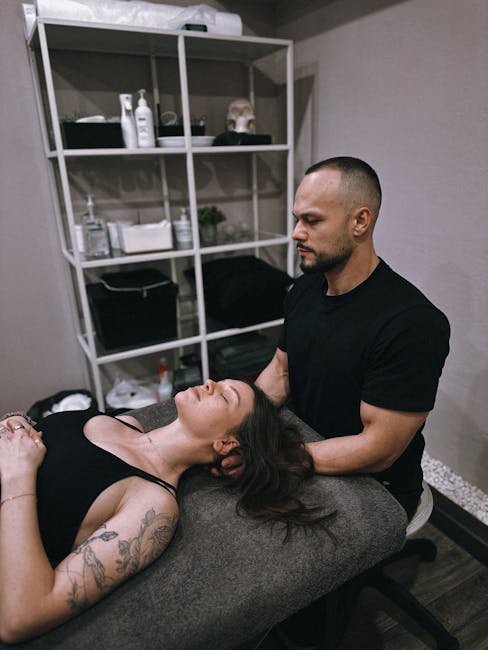
Living in Huntington, New York, offers a unique blend of coastal charm and community activity. Yet, like many vibrant towns, the pressures of daily life—balancing work, family, commuting, and social obligations—can inadvertently impact your health, particularly your back. Understanding the intricate relationship between stress and back pain is essential for anyone seeking relief and long-term well-being.
What Is the Link Between Stress and Back Pain?
Back pain is one of the most common complaints among residents in Suffolk County, and stress is often an underlying factor. While most people attribute back problems to physical causes like lifting or poor posture, emotional stress can be just as influential.
When you experience stress, your body releases hormones such as cortisol and adrenaline. These hormones trigger the body’s “fight or flight” response, leading to muscle tension—especially in the neck, shoulders, and lower back. If you’re navigating busy streets on Jericho Turnpike, sitting for long commutes on the LIRR, or just managing a packed work schedule, stress can silently accumulate and manifest as persistent or severe back pain.
How Stress Physically Affects the Back
The connection between psychological stress and physical discomfort is well-documented. Here’s how stress typically impacts the body, especially the back:
- Muscle tension: Chronic stress causes muscles, especially in the back, to remain in a partially contracted state, leading to tightness, spasms, and pain.
- Inflammation: Stress increases inflammation throughout the body, which can worsen pain, especially if you have pre-existing conditions like arthritis or a herniated disc.
- Reduced blood flow: Muscle tension and stress hormones constrict blood vessels, reducing blood flow to the spinal muscles and tissues, impeding healing.
- Negative movement patterns: Stress can lead to subconscious habits like slouching, tensing the shoulders, or avoiding physical activity, all of which contribute to back issues.
Why Is This Important for Residents of Huntington?
Huntington’s active lifestyle, from bustling Main Street businesses to family gatherings at Heckscher Park or enjoying the beaches at Northport, demands physical engagement. However, stress from work, school, or even traffic on Route 110 can create a perfect storm for back pain.
For adults juggling multiple roles, parents managing children’s activities, or students dealing with academic pressure, chronic stress becomes a silent contributor to daily aches and pains. Recognizing these factors is the first step toward prevention and relief.
Signs Your Back Pain Might Be Stress-Related
If you live or work in Huntington and experience any of the following symptoms, stress may be amplifying your discomfort:
- Pain that worsens during busy or highly emotional periods
- Muscle tightness or spasms, especially after a long commute or stressful day
- Unexplained aches that do not improve with rest or medication
- General fatigue, irritability, or trouble sleeping
Coping Strategies for Stress-Related Back Pain
Adopting a holistic approach to stress management can make a dramatic difference. Here are several effective strategies specifically adapted for Huntington residents:
1. Embrace Physical Activity in Local Parks
Regular exercise is one of the best ways to combat both stress and back pain. Huntington offers beautiful parks and trails—spend time walking or stretching at places like Caumsett State Park or the Greenlawn Memorial Park.
Gentle activities like yoga, Pilates, or tai chi, often available at local studios or community centers, can release muscle tension and promote relaxation.
2. Optimize Ergonomics at Work and Home
With many residents working from home or commuting long distances, pay extra attention to your sitting posture. Consider ergonomic adjustments to your workspace and practice micro-breaks every hour to stretch your neck, back, and shoulders.
3. Mindfulness and Relaxation Techniques
Techniques such as deep breathing, progressive muscle relaxation, and guided meditation are proven to ease muscle tension and lower your body’s stress response.
Apps, podcasts, or local meditation groups in Huntington can provide practical guidance to make these practices part of your daily routine.
4. Social Support and Professional Help
Sometimes, talking to a friend, counselor, or healthcare professional can provide relief and perspective. Huntington’s close-knit community is a great resource—don’t hesitate to tap into local support networks.
If your pain persists, consider consulting a chiropractor or physical therapist in Huntington, NY, for targeted care.
Preventing Recurring Back Pain
Preventing stress-related back pain is about developing proactive habits:
- Schedule regular relaxation: Carve time each week for activities that recharge you—whether it’s a walk along the harbor, reading in a park, or attending a local wellness event.
- Stay physically engaged: Join a fitness class, walking group, or sports club in Huntington to make movement a consistent part of your routine.
- Prioritize self-care: Sleep well, eat balanced meals, and minimize screen time, especially before bed.
When Should You Seek Professional Help?
While lifestyle changes are powerful, certain situations require professional evaluation. Consult a healthcare provider in Huntington if:
- Your back pain is severe, persistent, or worsening
- You experience numbness, tingling, or weakness in your legs
- Pain interferes with daily activities or keeps you from enjoying local events and activities
Chiropractors can help diagnose the root cause, provide hands-on treatments, and create personalized plans to address both the physical and emotional aspects of your pain.
Conclusion
Back pain and stress are closely intertwined, especially for those navigating the fast-paced and active environment of Huntington, NY. By understanding how stress contributes to discomfort and adopting healthy, locally relevant habits, you can break the cycle and reclaim your comfort and well-being. Remember, seeking help—from friends, professionals, or community resources—is a key part of long-term recovery.
