
 See Our Latest Article on HelloNation
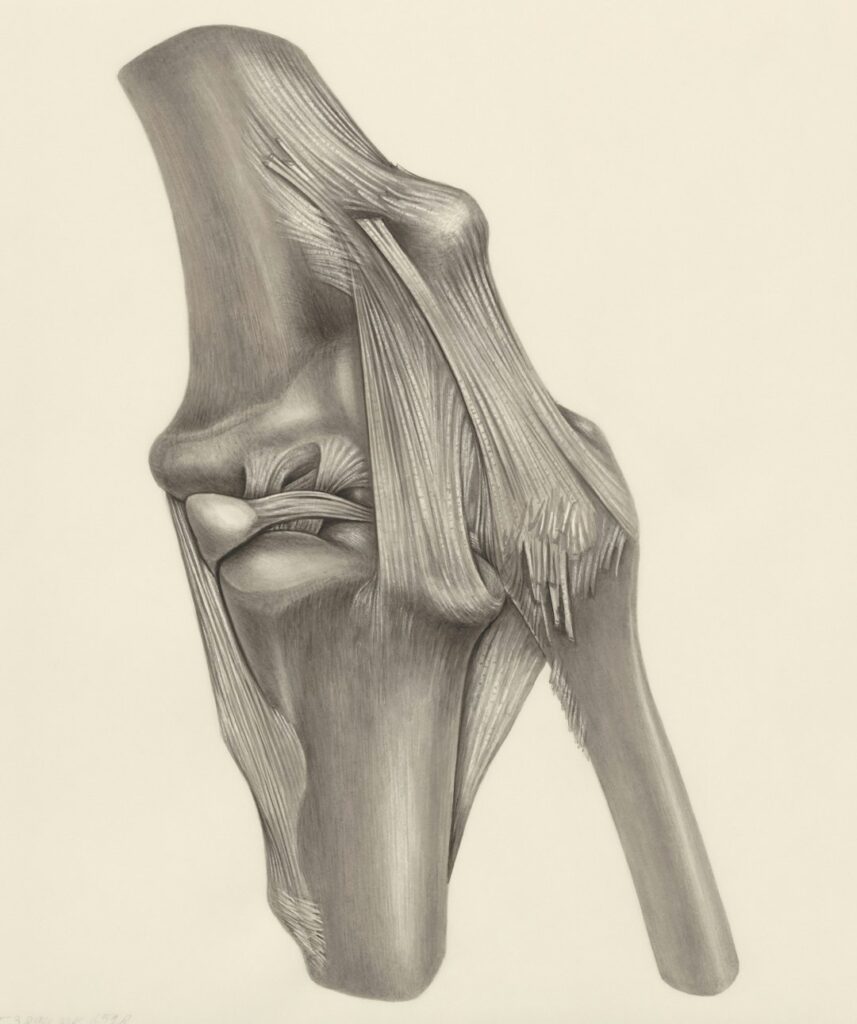
Joint cracking is common, and in many cases it is harmless. A popping finger, clicking knee, or noisy back does not automatically mean arthritis, damage, or a problem that needs treatment.
The sound matters less than what accompanies it. Pain, swelling, warmth, weakness, locking, numbness, or a recent injury changes the situation and deserves closer attention.
Why do joints crack or pop?
Most joint sounds come from normal movement inside or around the joint. A crack may be caused by changes in pressure within the joint fluid, movement of a tendon or ligament over nearby tissue, or rougher surfaces rubbing together.
Several different sounds are often described as “cracking”:
- A single pop: Often related to pressure changes in the joint or a tendon shifting position.
- Repeated clicking: May come from tendons, ligaments, or small changes in how a joint moves.
- Grinding or grating: Sometimes called crepitus and may be associated with cartilage wear or irritation.
- Snapping: Can occur when a tendon moves over a bony prominence.
- A crack during an injury: May indicate a sprain, fracture, dislocation, or other acute problem, especially if followed by pain or loss of function.
The same sound can have different causes in different people. A painless knee click in an active adult is not automatically the same condition as painful grinding after a fall.
Does cracking your knuckles cause arthritis?
Current medical evidence does not show that habitual knuckle cracking causes hand arthritis. People may crack their knuckles for decades without developing osteoarthritis because of the habit alone.
Knuckle cracking can temporarily stretch the joint and create a popping sound. Some people also describe a brief feeling of looseness or relief afterward. That sensation does not necessarily mean the joint was “put back into place,” and it does not prove that the joint needed to be cracked.
Forceful or repetitive manipulation is different from ordinary painless knuckle popping. Pulling aggressively, twisting a finger beyond its comfortable range, or repeatedly trying to produce a crack may irritate surrounding ligaments or tendons. Pain is a reason to stop rather than push through the movement.
Is back or neck cracking dangerous?
Occasional, gentle cracking of the back or neck is not automatically dangerous, but the circumstances matter. Sounds may occur as spinal joints move, as soft tissues shift, or as pressure changes within small joints.
The main concern is not the sound itself. It is the force used to create it and the symptoms that follow. Repeatedly forcing the neck into a sharp twist can strain muscles and joints. High-velocity neck manipulation also has specific risks and should not be treated as a casual self-care technique.
A person with neck cracking accompanied by dizziness, fainting, vision changes, severe headache, weakness, numbness, difficulty speaking, or trouble walking needs urgent medical evaluation. These symptoms are not typical of harmless joint noise.
For back or neck discomfort, gentle movement, changing positions, and avoiding prolonged static postures are generally safer starting points than forcefully trying to produce a crack. Long periods of sitting, driving, desk work, or looking down at a phone can make normal joint sounds more noticeable because surrounding muscles become stiff.
When is joint noise usually harmless?
Joint sounds are more likely to be benign when they are:
- Painless
- Occasional or stable over time
- Not associated with swelling or warmth
- Not limiting normal movement
- Unrelated to a recent accident or sports injury
- Not accompanied by weakness, numbness, or a feeling that the joint is giving way
A painless popping knee while climbing stairs, for example, may not require treatment if strength and movement remain normal. The same sound becomes more concerning if the knee swells, locks, buckles, or causes increasing pain.
Seasonal routines can also affect how joints feel. During colder months, residents may spend more time indoors, sit longer, or move less regularly. That stiffness can make joints feel noisier when activity resumes. The sound may be noticeable without representing new structural damage.

What does painful cracking mean?
Painful cracking may signal irritation or a mechanical problem involving cartilage, a tendon, a ligament, or the joint lining. Possible causes vary widely and can include an old injury, osteoarthritis, inflammation, overuse, muscle weakness, or altered movement patterns.
Pain should be considered along with other details:
- Swelling after activity may suggest irritation or injury.
- Morning stiffness lasting a long time can point toward inflammation or arthritis.
- Locking or catching may indicate a mechanical restriction.
- Instability or buckling may involve weakened or injured supporting tissues.
- Warmth and redness can be signs of inflammation or infection.
- Pain after a fall or impact raises concern for an acute injury.
Noisy joints do not diagnose arthritis by themselves. Arthritis is assessed through symptoms, physical examination, medical history, and sometimes imaging or laboratory testing.
Should you stop cracking your joints?
If cracking is painless and gentle, stopping is usually not medically necessary. A person may still choose to stop if the habit is irritating to others, feels compulsive, or leads to soreness.
Avoid using joint cracking as a substitute for movement. If the body feels stiff, try low-impact activity such as walking, comfortable range-of-motion exercises, light stretching, or brief movement breaks. These approaches address stiffness without repeatedly forcing a joint through an extreme position.
If a joint only feels comfortable after repeated cracking, that pattern deserves attention. The habit may be masking weakness, restricted mobility, poor workstation setup, or an activity that is irritating the area.
When should residents seek medical evaluation?
Evaluation is appropriate when joint noise is persistent and accompanied by pain, swelling, reduced motion, weakness, numbness, or instability. It is also sensible after a significant injury, particularly if the area looks deformed or cannot bear weight.
Urgent care may be needed for severe pain after trauma, sudden loss of movement, a joint that appears out of place, new numbness, or a hot, swollen joint accompanied by fever or feeling unwell.
For non-urgent concerns, a primary care clinician, physical therapist, sports medicine clinician, or chiropractor may help assess movement and identify contributing factors. The appropriate professional depends on the body region, symptoms, medical history, and whether an injury is suspected. Imaging is not automatically necessary for every noisy joint, but it may be considered when symptoms suggest a fracture, significant tissue injury, or progressive joint disease.
The practical rule is straightforward: noise without symptoms is often normal; noise with pain or loss of function deserves explanation. Paying attention to the full pattern is more useful than focusing on the crack alone.
