
 See Our Latest Article on HelloNation

What Questions Should You Ask When Considering a Chiropractor?
Start by understanding your own reasons for seeking care. Whether you’re addressing an injury, chronic pain, or preventive wellness, begin your search with clarity on your own goals. Local residents often wonder what to actually discuss during an initial call or visit—open, informed questions make all the difference:
- What techniques and approaches does the chiropractor use? Not all providers use the same style or level of physical adjustment.
- Do they treat cases like yours frequently?
- What is their experience with local residents in settings similar to your daily routine (for example, those with desk jobs, caregivers, or athletes)?
- How do they assess progress and outcomes?
Listening for clear, jargon-free explanations is a good sign. Reliable providers welcome your questions about their methods, philosophies, and expectations for improvement.
How Can You Check Professional Qualifications and Experience?
Briefly, check licensure, training background, and any history of disciplinary action. In New York State, chiropractors must hold a Doctor of Chiropractic degree from an accredited program and be licensed by state authorities. Verification is public and free; always check directly through the state’s online verification system rather than just relying on office displays.
Experience matters, but so does ongoing professional development. You can ask if the clinician participates in continuing education or local healthcare events; this helps gauge their commitment to current best practices. While years in practice alone do not guarantee a good match for your needs, familiarity with cases similar to yours is often relevant.
Are Office Logistics and Access a Factor for Residents?
For many in Huntington, logistics often shape long-term satisfaction. Consider how easy the office is to reach from your home or workplace. Factor in typical traffic patterns, parking availability, wheelchair access, and whether public transportation could be a choice based on your location and mobility needs.
Ask about office hours and flexibility for last-minute scheduling. This is helpful for people with fluctuating pain or busy households. If your routine involves outdoor activities or sports, consider whether extended or weekend hours suit your lifestyle.
How Do Residents Assess Communication Style and Comfort Level?
Briefly, you should feel comfortable speaking openly. During your first visit or conversation, notice how well you feel listened to and respected. A reputable chiropractor will review your health history thoroughly before recommending any treatment.
Does the provider explain recommendations clearly? Are your questions taken seriously? Feeling rushed or pressured is a warning sign. Many residents value a collaborative environment where their feedback impacts the care plan. Trust and transparency in communication are particularly important when discussing sensitive topics like pain, injury, or mental well-being.
What Role Do Patient Reviews and Community Reputation Play?
While online ratings can be biased or misleading, feedback from local neighbors or community groups can offer valuable context. Huntington residents often share insights through word of mouth—ask people you trust about their experiences.
Keep in mind that one person’s fit may not work for another. Look for patterns in reviews about professionalism, comfort, and outcomes. Balanced feedback—not just extremes—typically offers a clearer perspective.
What Should You Expect During the First Visit?
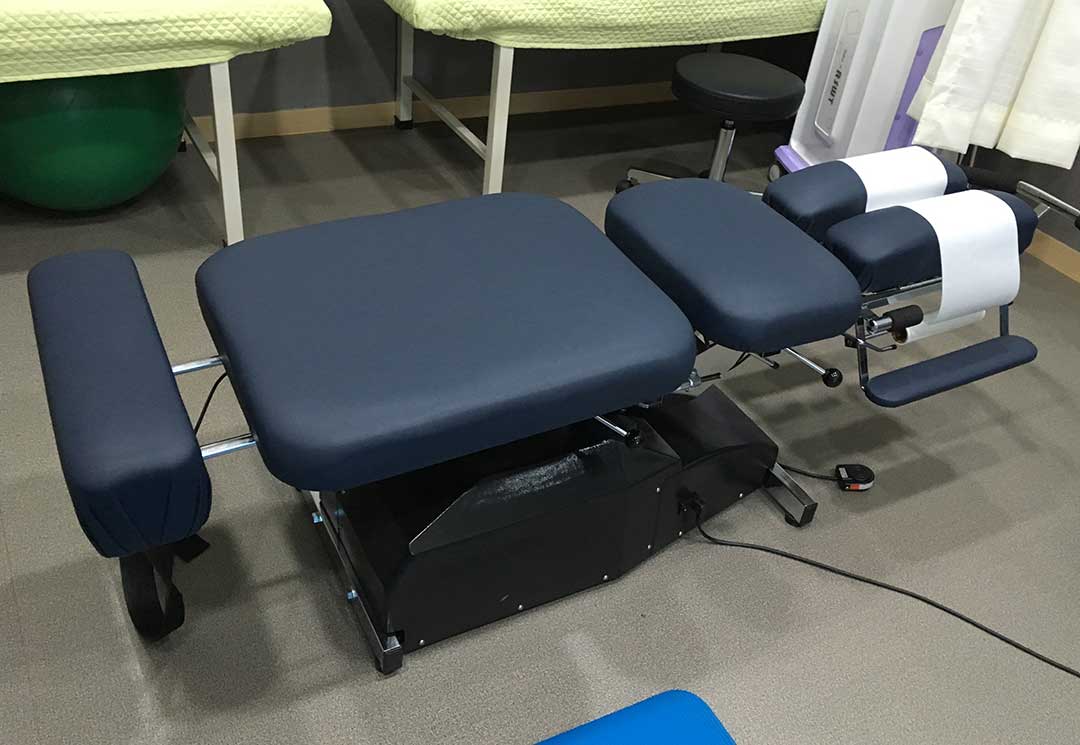
A typical first visit starts with a detailed health and lifestyle history, followed by a physical assessment. A good chiropractor explains each step, asks permission before any hands-on care, and discusses alternatives. You should never feel rushed into a specific plan or pressured toward high-volume treatment schedules.
If X-rays or imaging are recommended, reputable providers will clearly explain the reasons and potential benefits in your specific case. In the absence of recent trauma or “red flag” symptoms, routine imaging is rarely necessary.
When Might Chiropractic Care Not Be the Right Fit?
Chiropractic care is not a cure-all for spine or musculoskeletal problems. Most reputable practitioners will be clear about situations where care may not help. Seek evaluation by a medical physician if you experience symptoms such as:
- Sudden, severe weakness or numbness
- Loss of bladder or bowel control
- Unexplained weight loss with new pain
- Signs of infection (fever, chills, malaise alongside spine pain)
For those with certain medical conditions (such as advanced osteoporosis or bleeding disorders), some types of adjustments are not recommended.
What Common Misconceptions Should Area Residents Be Aware Of?
One frequent misconception is that all chiropractors provide identical care. In reality, techniques and philosophies vary widely. Another misunderstanding is that x-rays or dozens of visits are always required; in many cases, short-term, focused care leads to relief.
Chiropractic should not replace all forms of conventional medical care, especially for new pain accompanied by unusual symptoms. Local residents also sometimes assume their insurance will always cover care, but coverage, limitations, and necessary referrals can vary greatly. Clarifying these details with your insurer in advance is a practical step.
How Can You Make an Informed Choice That Works for Your Situation?
Carefully considering your needs, preferences, and the factors above helps you make an informed, comfortable choice. People in the Huntington community benefit most when their provider listens, explains, and works collaboratively on solutions. Checking qualifications, logistics, communication style, patient feedback, and first-visit experience gives a clear picture of what to expect—helping area residents select the right chiropractic approach for their health and lifestyle.
